Botswana Moves Closer to Net-Zero with Key Climate Strategy Workshop
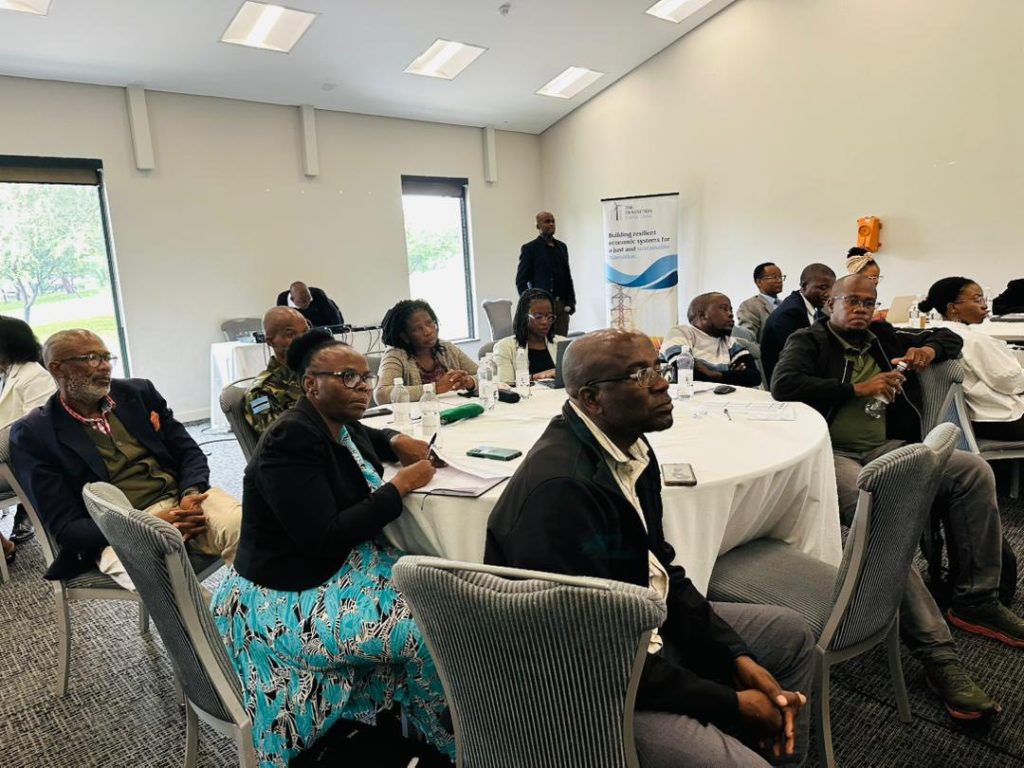
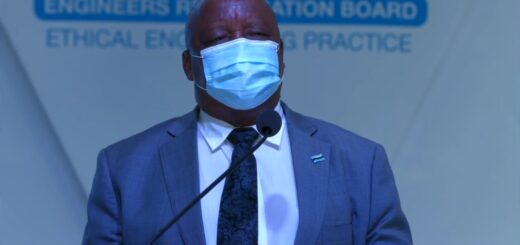
Botswana Meteorological Services at the stakeholders meeting
Gaborone, Botswana – Botswana has taken another decisive step toward a sustainable future by convening the 3rd Stakeholder Consultation Workshop for the development of its Long-Term Low Emissions Development Strategy (LT-LEDS). The workshop is a critical component of the country’s plan to achieve net-zero emissions by 2050.
The series of consultations is not a standalone project but a core commitment under the Paris Agreement (Article 4.19). The resulting strategy will directly support Botswana’s Vision 2050, aiming to transform the nation into a prosperous, climate-resilient economy while charting a course for long-term, low-carbon growth.
Unlike top-down policy design, Botswana is pursuing an inclusive, multi-stakeholder model. The workshops bring together government officials, private sector leaders, academics, and civil society to ensure the strategy is both ambitious and grounded in the country’s unique economic and social realities.
This collaborative effort is supported by a coalition of international partners, including:
- The 2050 Pathways Platform
- The Climate Compatible Growth Programme (CCG)
- The African Development Bank (AfDB)
- The Transition Think Tank (4T)
Their role is to provide technical expertise, data modeling, and global best practices while ensuring local ownership of the final strategy.While specific outcomes of the 3rd workshop have not been publicly released, official descriptions of the workshop series indicate that participants are focused on several high-impact tasks:
- Reviewing and validating data from preliminary models and scenario analyses.
- Refining scenario pathways to determine realistic, cost-effective routes to net-zero that also diversify Botswana’s economy.
- Identifying priority actions in key sectors, including energy, agriculture, transport, and waste management.
Perhaps the most significant takeaway from the workshop series is the framing of the LTS as an economic and social development plan, not merely an environmental pledge. As noted by the 2050 Pathways Platform, modern development planning cannot ignore climate risks.
The strategy will also serve as a roadmap for Botswana’s next Nationally Determined Contribution (NDC 3.0) , ensuring the country’s short-term climate actions align seamlessly with its 2050 goals.
What Happens Next?
With the 3rd consultation now complete, Botswana is expected to finalize its LT-LEDS in the near future, paving the way for implementation. The government continues to signal that a just transition, gender equity, and climate finance will be cross-cutting themes in the final document.
As global pressure mounts for tangible climate action, Botswana is demonstrating that for developing economies, a low-emissions future is not just an environmental necessity—it is an opportunity for sustainable, resilient growth.
— End of Article —